
6 Tips for Maintaining Your Asphalt Pavement
Maintaining asphalt pavement is essential for keeping your property safe, functional, and visually appealing. Whether you manage a commercial parking lot or a residential driveway, proper care can significantly extend the lifespan of your surface and protect your investment. Working with a local asphalt contractor can also make ongoing upkeep easier, but there are many steps property owners can take on their own to preserve pavement quality.
Asphalt naturally deteriorates over time due to weather, load stress, moisture intrusion, and UV exposure. Even so, a strategic maintenance plan can prevent premature decay and costly repairs. Below are six practical tips that will help you strengthen your pavement’s durability while ensuring a smoother, safer experience for everyone who uses it.
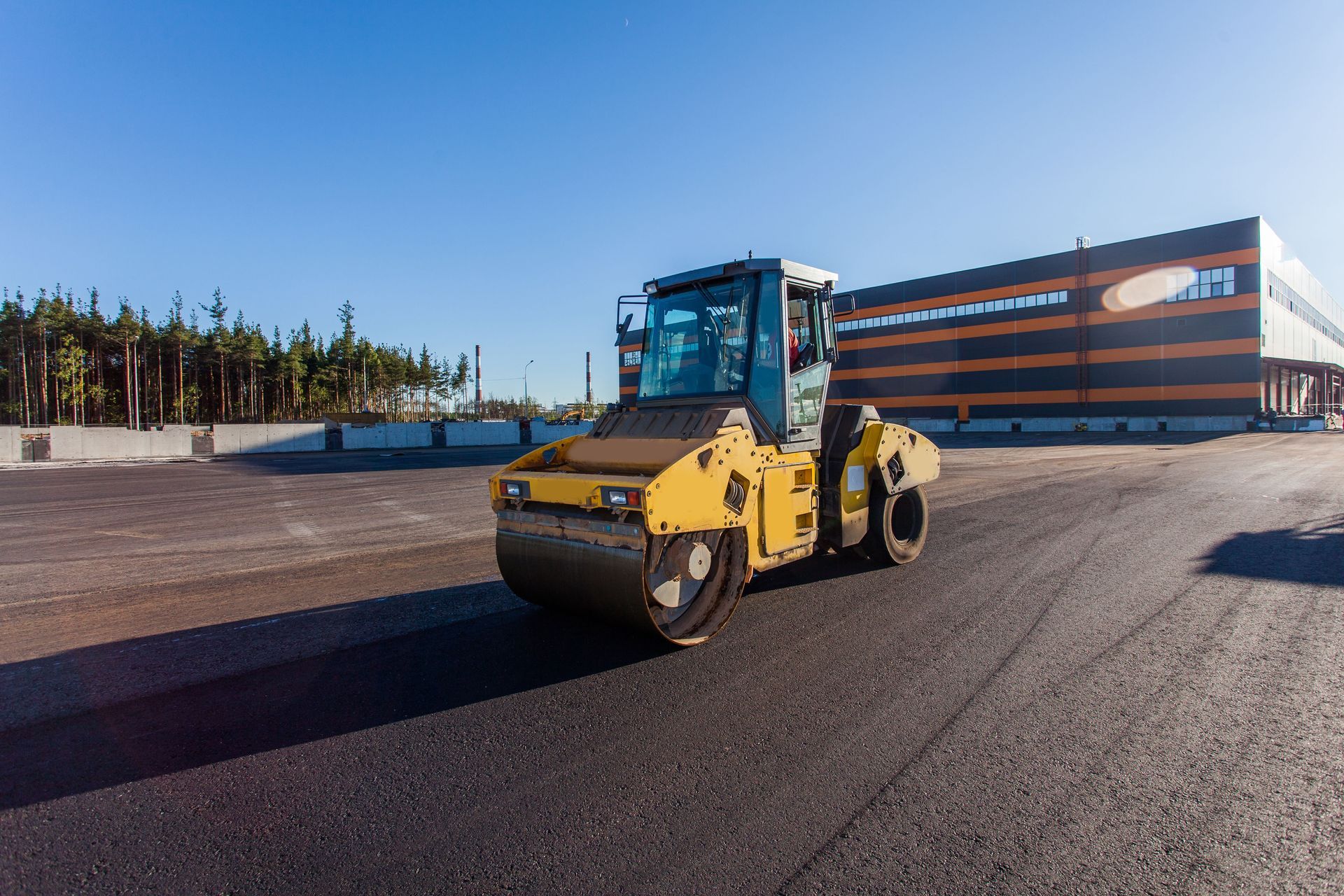
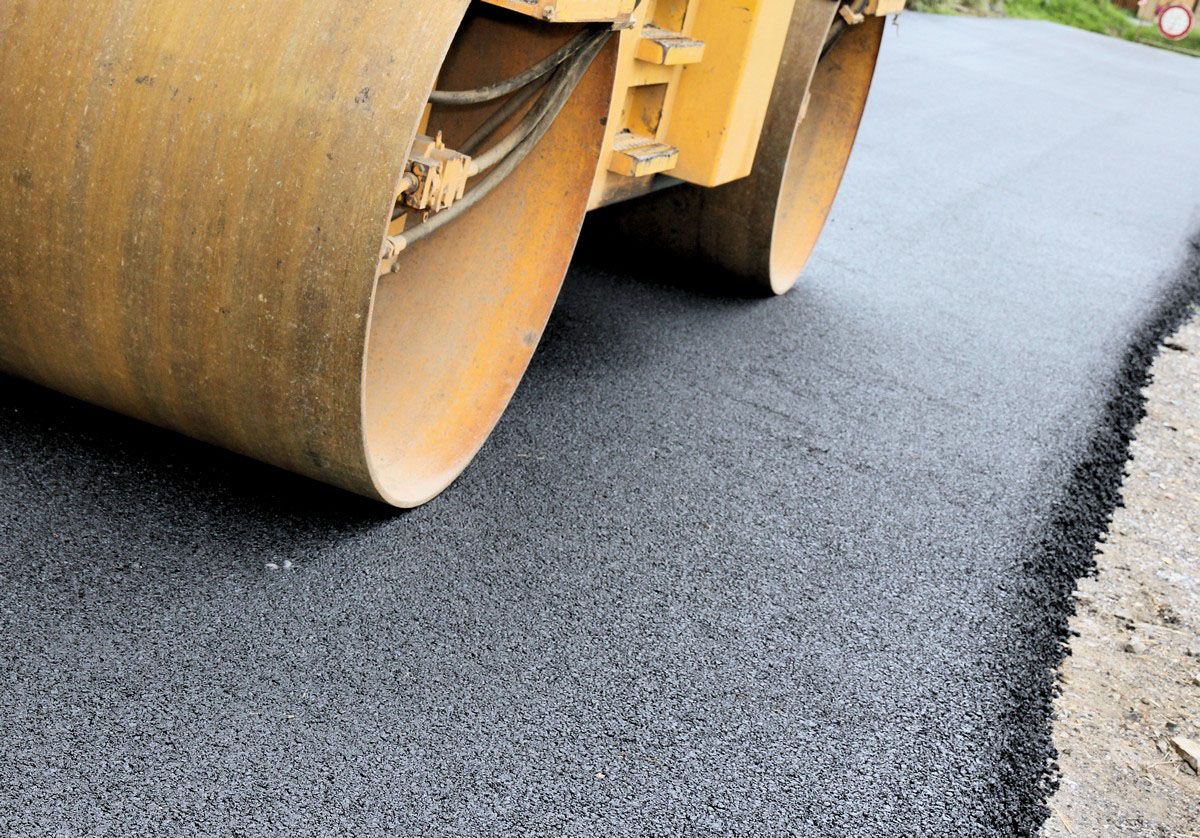
According to the National Pavement Association, there are about 3,600 sites that produce asphalt in the U.S. alone. This scale reflects how vital asphalt is to the country’s transportation and infrastructure systems, supporting everything from highways and airports to neighborhood driveways. With such a massive industry behind it, proper maintenance becomes even more important to ensure the material performs as intended and lasts as long as possible.
1. Inspect Pavement Conditions Regularly
Routine inspections are one of the most effective ways to maintain asphalt pavement. Cracks, potholes, drainage issues, and early signs of surface wear often begin subtly, making them easy to overlook — especially on large commercial properties. By evaluating your pavement consistently, you can identify concerns before they evolve into major problems.
Walk your pavement at least once per season. Look for spiderweb cracks, loose aggregate, faded striping, depressions that collect water, oil spots, and edge damage. These are early indicators of weakening structural integrity.
If you notice multiple trouble spots, consult a local asphalt contractor to perform a more thorough assessment. Professionals can detect subsurface issues you may miss, such as base failure or improper water flow. Early detection means less extensive repairs and lower expenses over time.
2. Sealcoat the Surface at Proper Intervals
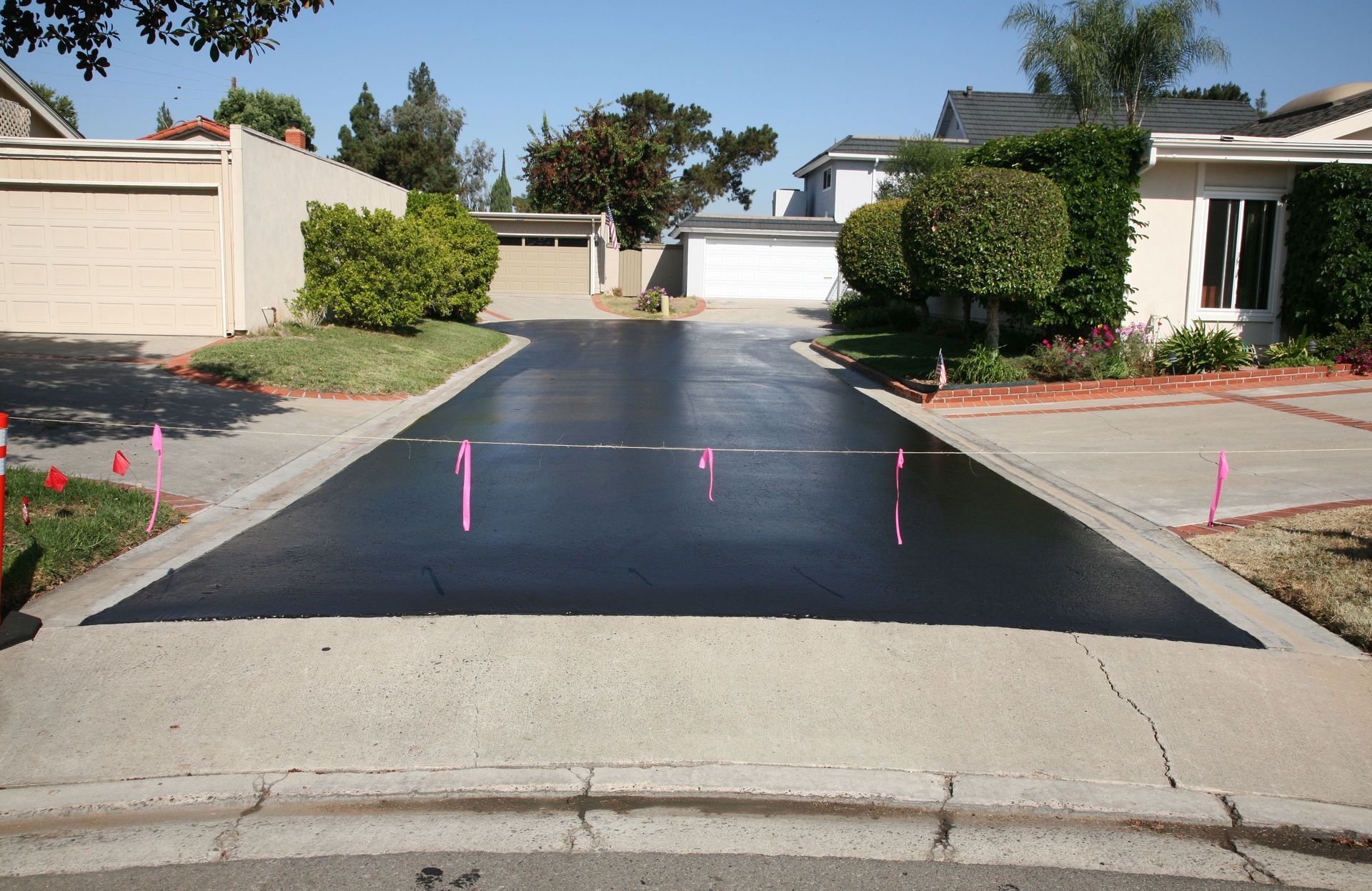
Sealcoating serves as a protective barrier that shields asphalt from UV rays, oxidation, and chemical spills. It also restores the rich, dark appearance of new pavement, improving curb appeal. Most pavements benefit from sealcoating every two to three years, though the timeline can vary based on weather conditions and traffic levels.
Applying sealcoat too early can trap moisture, while waiting too long may allow irreparable deterioration. A balanced schedule keeps the pavement flexible and resilient. Staying on a routine timeline also helps your pavement better withstand traffic, weather, and daily wear.
Although some property owners apply sealcoat themselves, hiring a local asphalt contractor ensures the job is completed using the right materials, thickness, and curing techniques. Professionals also prepare the surface by cleaning and repairing minor cracks beforehand, creating a longer-lasting finish.
3. Repair Cracks and Potholes Promptly
Cracks are the first sign that pavement is weakening. Left untreated, they allow water to enter and erode the foundation beneath the asphalt. Over time, this results in potholes, sinkage, and structural instability. Addressing cracks early is one of the most cost-effective ways to maintain your pavement.
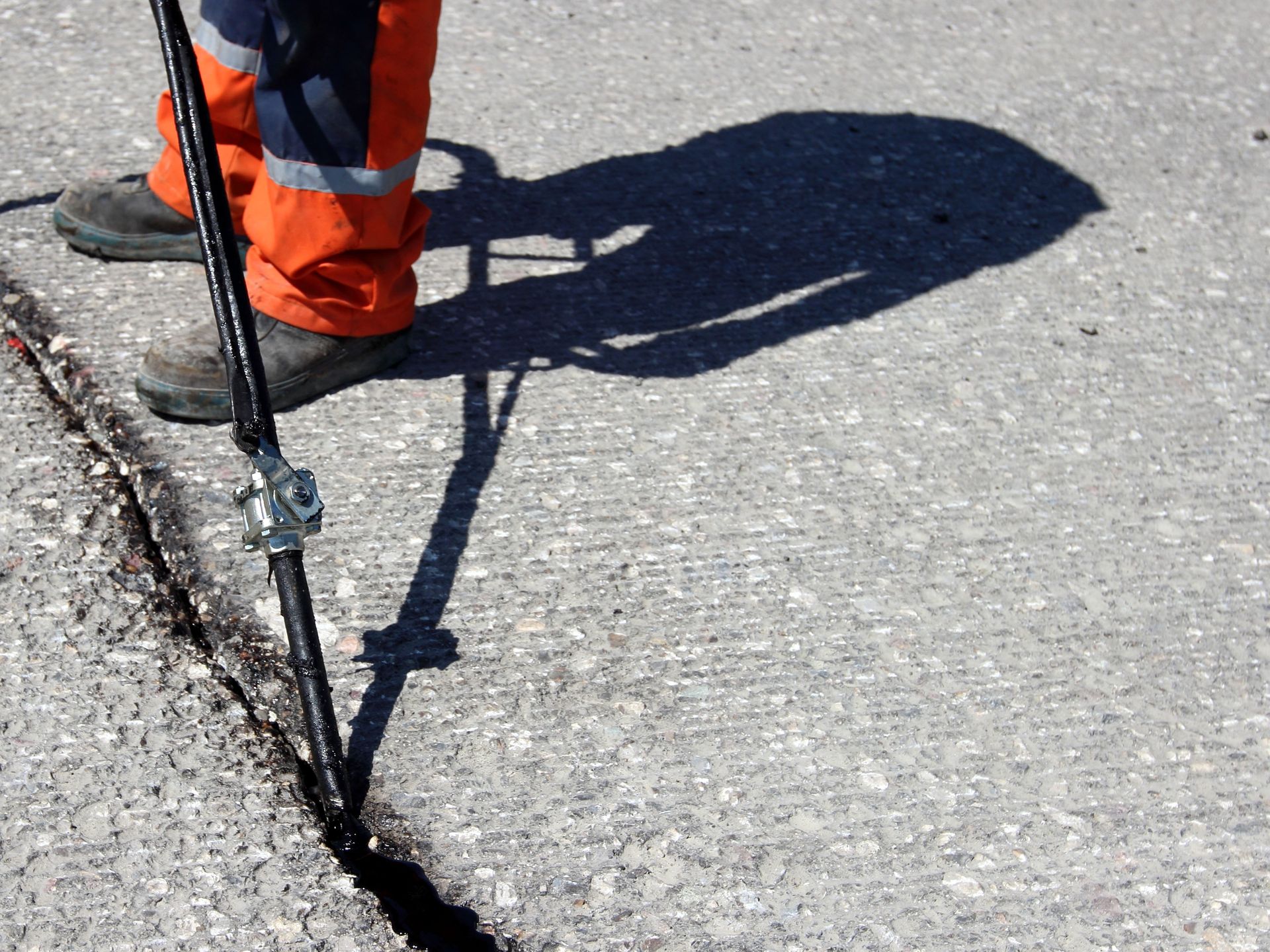
There are several types of crack repair depending on severity. Cold-applied crack sealants work well for minor fissures, while hot-pour materials offer better flexibility and adhesion for larger or more active cracks. Potholes require cleaning, patching, and compacting to restore a smooth, safe surface.
If you’re unsure which repair method to use, a local asphalt contractor can determine the best approach. Quick action prevents cracks from spreading, protects your sub-base, and extends the life of the entire pavement system. Addressing issues early also helps you avoid more extensive structural damage that can lead to significantly higher repair costs down the road.
4. Improve Drainage to Prevent Water Damage
Water is one of asphalt’s biggest enemies. When it seeps through cracks or pools on the surface, it weakens the pavement structure, accelerates erosion, and contributes to freeze-thaw damage in colder climates. Ensuring your pavement drains properly is essential for long-term performance.
Check for low areas that collect standing water after rain. Poor grading, compacted soil around the edges, or clogged drains can all create drainage problems. Even small puddles can signal larger issues beneath the surface. Addressing these drainage concerns early helps prevent moisture from weakening the pavement structure and causing long-term damage.
Improving drainage may involve regrading, installing additional drains, clearing existing drainage structures, or repairing depressions. Because improper drainage can cause recurring problems, it’s wise to consult a local asphalt contractor who understands runoff patterns and local soil conditions. Professional adjustments can prevent expensive structural failures down the road.
5. Keep the Surface Clean and Free of Debris
Routine cleaning is an underrated yet important part of asphalt maintenance. Dirt, leaves, chemicals, and automotive fluids accumulate over time and can damage the pavement if not removed. Debris can also block drainage paths, trap moisture, and hide surface flaws that need attention.
Sweep your pavement regularly — weekly for high-traffic commercial areas, monthly for residential properties. Power washing can also help remove stains and built-up grime. Oil and gasoline spills should be cleaned immediately to prevent softening or discoloration.
If your pavement experiences heavy use, consider scheduling periodic professional cleaning. A local asphalt contractor can remove stubborn contaminants and inspect the surface during the cleaning process, offering maintenance recommendations tailored to your property’s needs.
6. Collaborate With a Local Contractor for Long-Term Care
Although property owners can handle many aspects of maintenance, partnering with a trusted local asphalt contractor provides significant advantages. Local professionals understand regional climate patterns, soil conditions, and common pavement challenges in your area. Their expertise allows them to recommend a personalized maintenance plan based on your pavement’s age, size, traffic volume, and structural condition.
Services may include annual inspections, scheduled crack sealing, routine sealcoating, surface patching, and long-term monitoring. This proactive approach not only extends your pavement’s lifespan but also helps you budget for predictable upkeep rather than emergency repairs. By staying ahead of potential problems, you ensure your pavement remains safe, attractive, and structurally sound year after year.
Working with a contractor also ensures repairs are completed using professional-grade materials, proper safety practices, and industry-standard methods. This level of quality control protects your investment and maintains smoother, safer surfaces for drivers and pedestrians.
If you manage multiple properties or have a large commercial lot, having an ongoing relationship with an asphalt contractor provides continuity and reliability. You’ll receive timely service, priority scheduling, and expert guidance as your pavement ages. This long-term partnership also ensures that small issues are addressed before they escalate, helping you maintain safer, more attractive surfaces across all your locations.
Asphalt pavement is durable and long-lasting, but it requires consistent care to stay in excellent condition. By inspecting the surface regularly, sealcoating at proper intervals, repairing cracks promptly, improving drainage, cleaning the pavement, and partnering with a local asphalt contractor, you can significantly extend the life of your asphalt and minimize costly future repairs.
These six maintenance strategies form a comprehensive plan that protects both the surface and the structural integrity of your pavement. With proper attention and the help of reliable local professionals, your asphalt will continue performing well for years to come — providing a smooth, safe, and appealing surface for everyone who uses it. Ready to protect and improve your pavement? Contact 3M Site Development Paving today for reliable maintenance, repair, and long-lasting asphalt solutions.



Share On: